
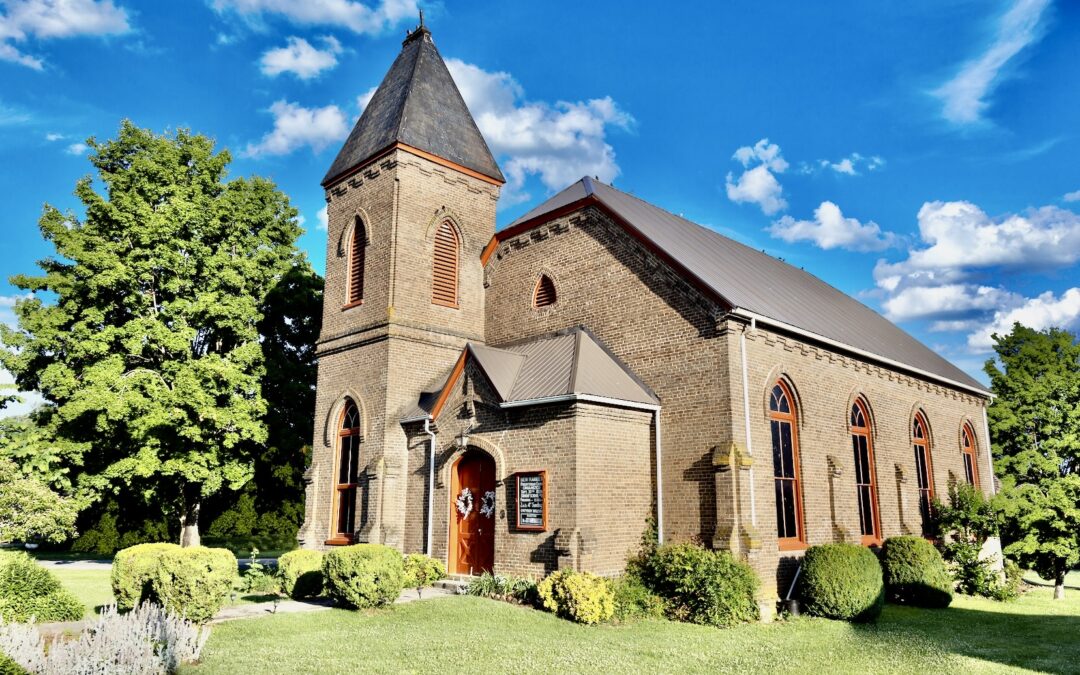
Jefferson County, Tennessee, is rich with history, and few places reflect its enduring spirit better than its historic churches. From small “hilltop” congregations to grand Gothic Revival sanctuaries, these churches have shaped the spiritual, educational, and cultural life of the region for generations. As we approach Easter, there’s no better time to explore these historic landmarks, whether you’re a local or a visitor seeking a deeper connection to the county’s heritage.
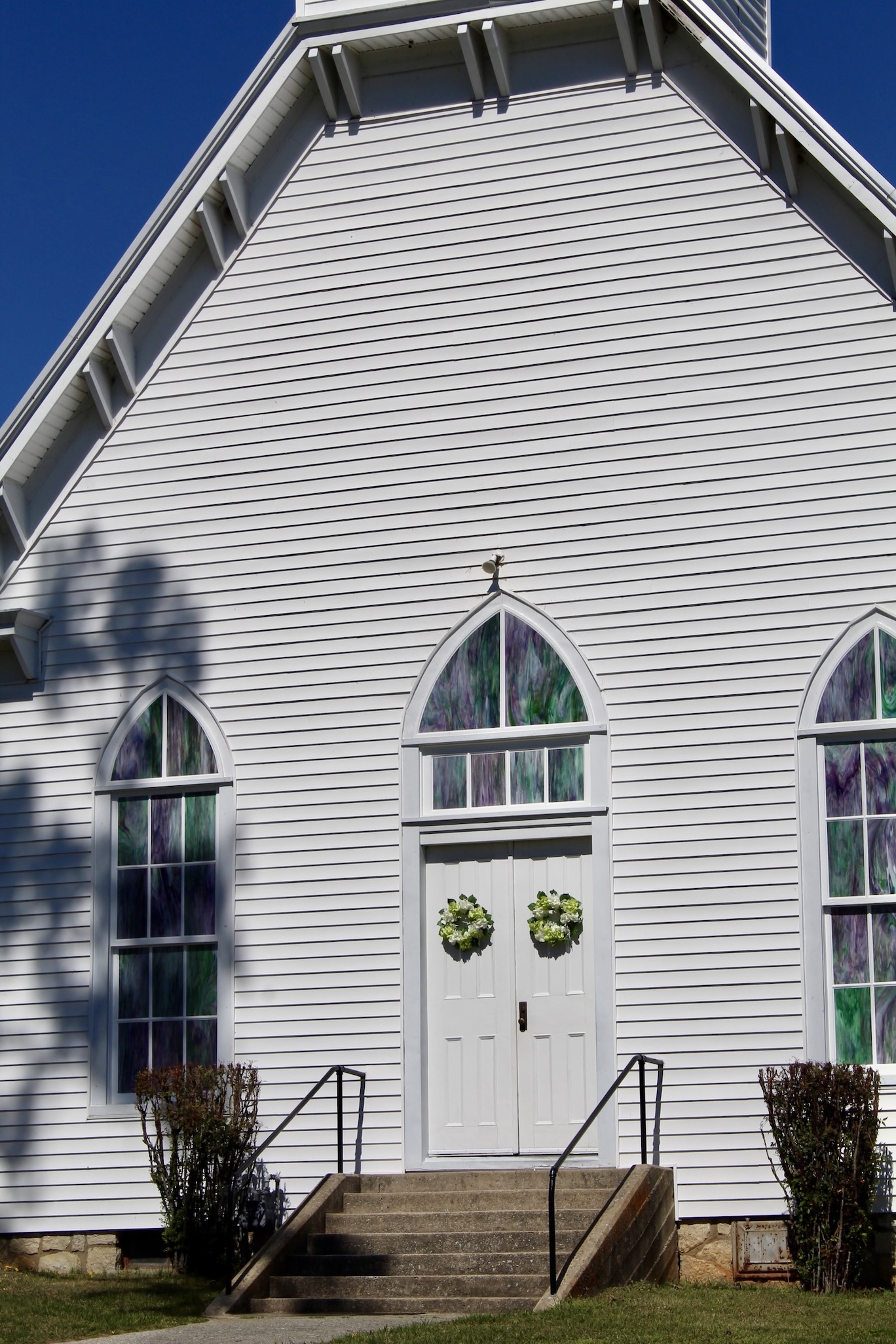
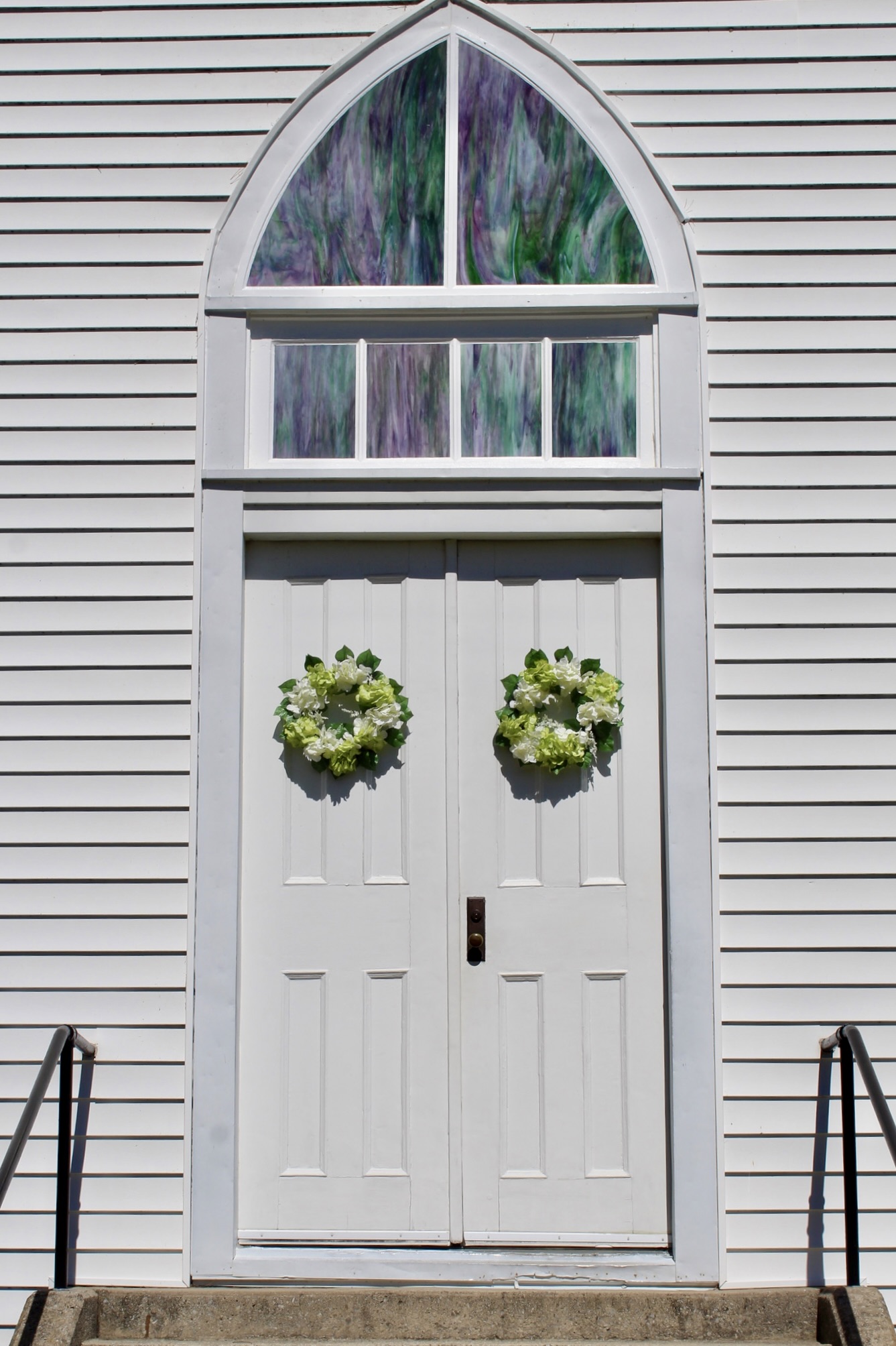
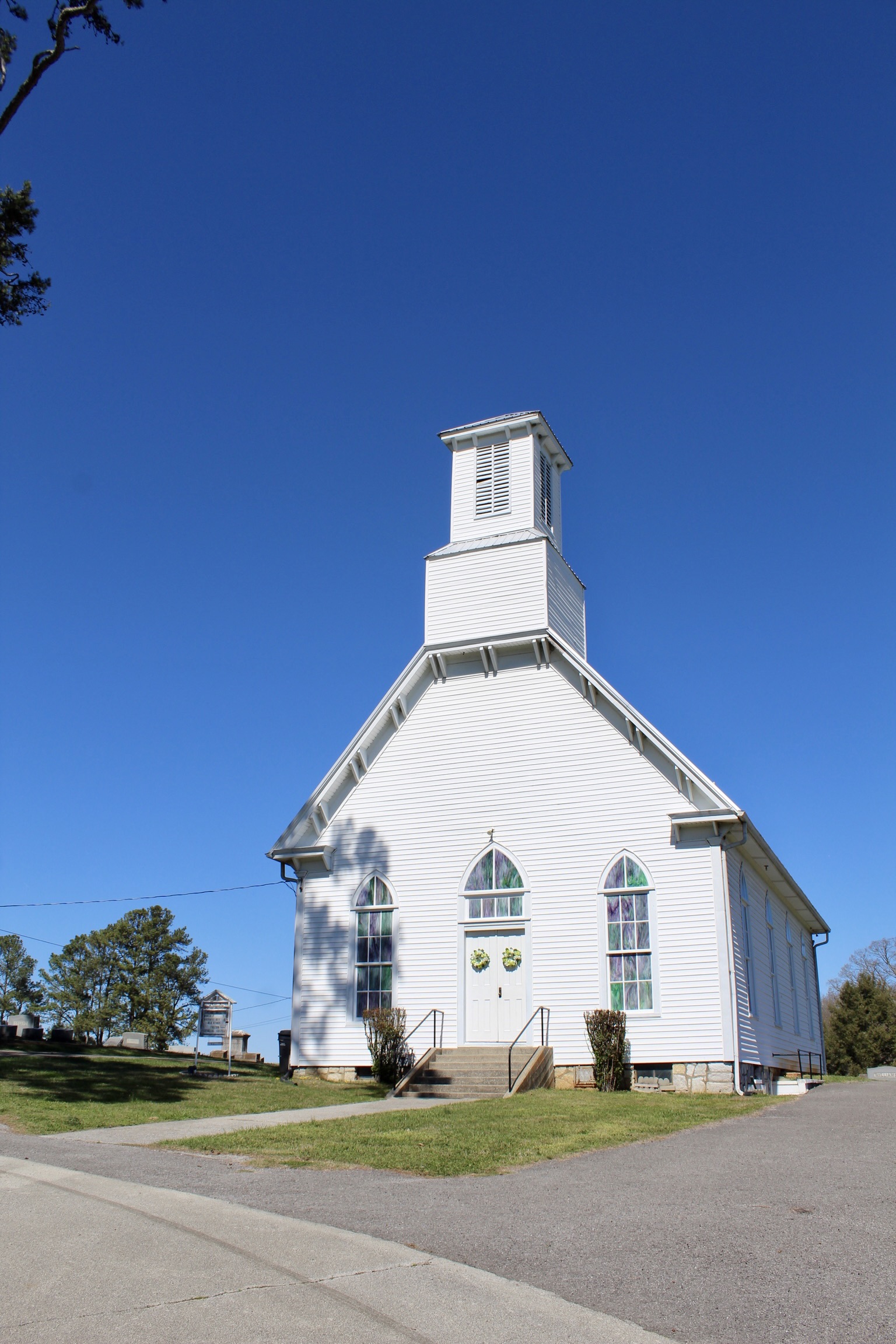
Edwards Chapel (The Church in the Pines)
1534 Church St.
White Pine, TN 37890
Nestled among the trees that inspired its nickname, Edwards Chapel Methodist Church—known as the “Church in the Pines”—has been a guiding presence in White Pine for more than a century.
Officially organized in 1907, its roots trace back to Edwards Academy, founded in 1883 by Bishop David Edwards of the United Brethren Church. The academy played a key role in educating rural students and shaping the early community.
According to local historical accounts, the property later served several denominations before becoming part of the United Methodist Church following the 1968 merger. Today, Edwards Chapel remains an active congregation, continuing its legacy through worship, outreach, and community programs.
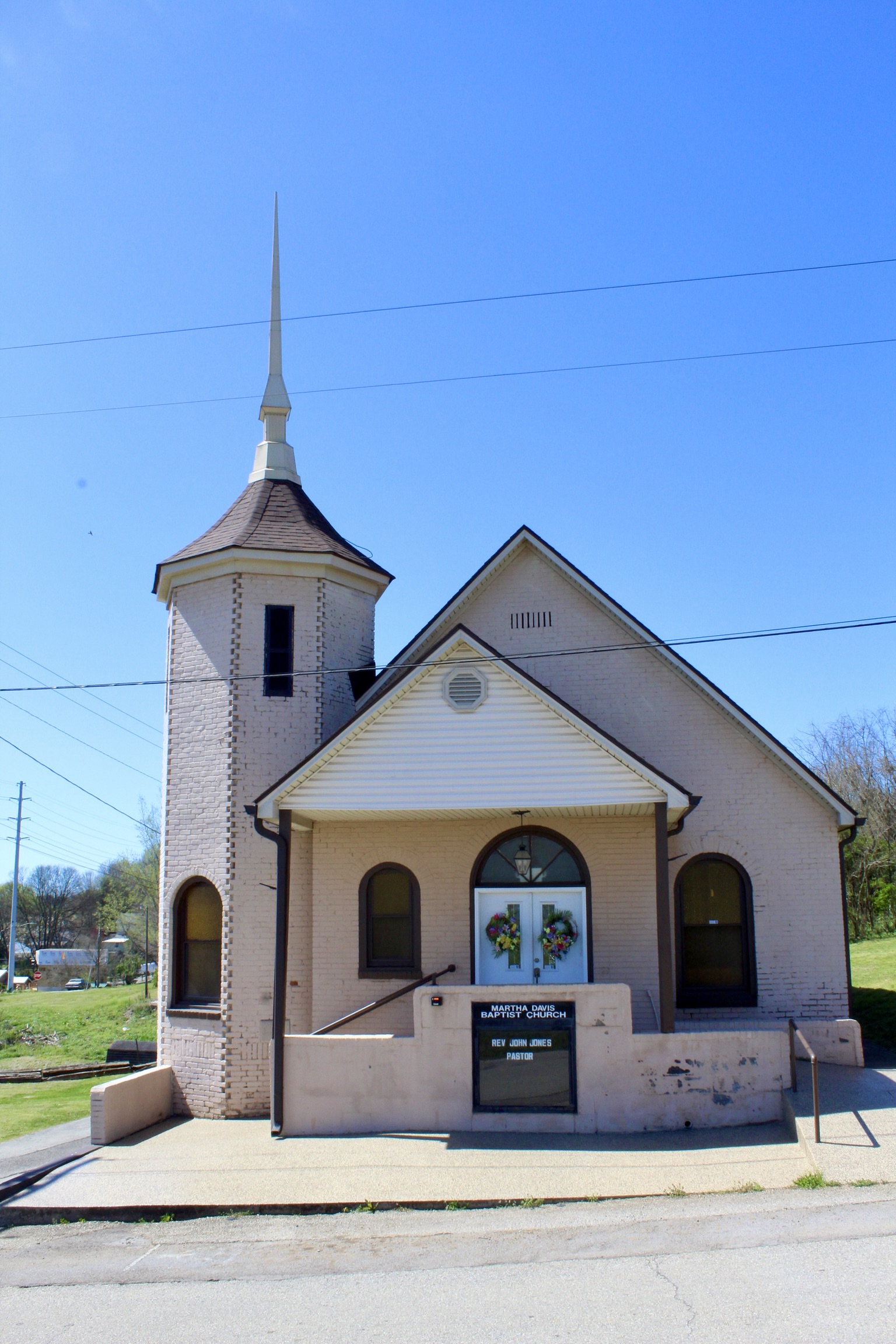
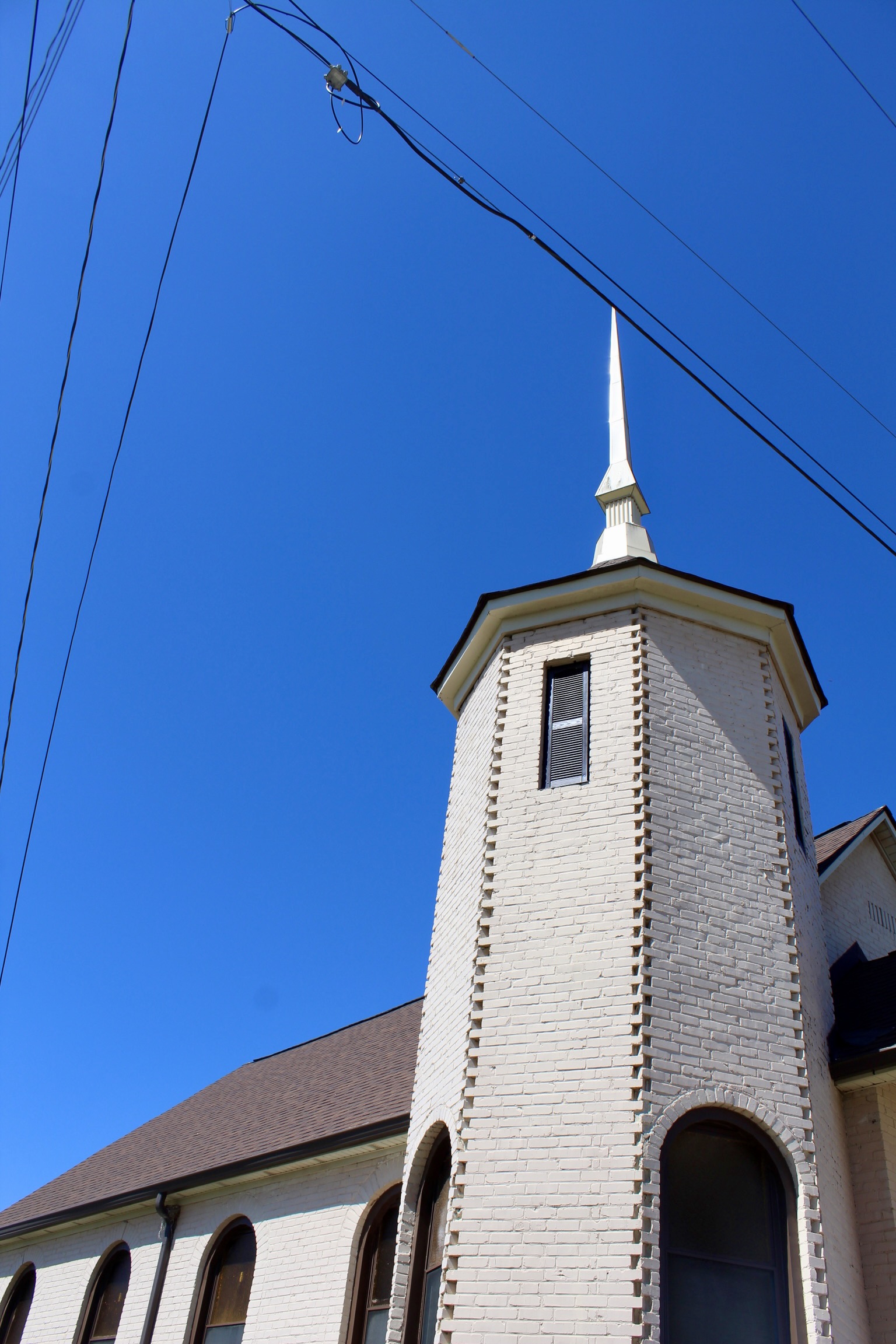
Martha Davis Baptist Church
1913 Black Oak Street
Jefferson City, TN 27760
Perched on a hillside in Jefferson City, Martha Davis Baptist Church, known as “the little church that sits on the side of the hill,” has long been a cornerstone of the local African American community.
Its history is preserved through records in the Black in Appalachia archive, highlighting its mission and longstanding role in community life. The church has supported generations through worship, service, and strong cultural traditions.
Music remains central to its identity, with community sources noting the choir’s involvement in regional cultural events. Today, the church continues to offer a welcoming place for worship and fellowship.
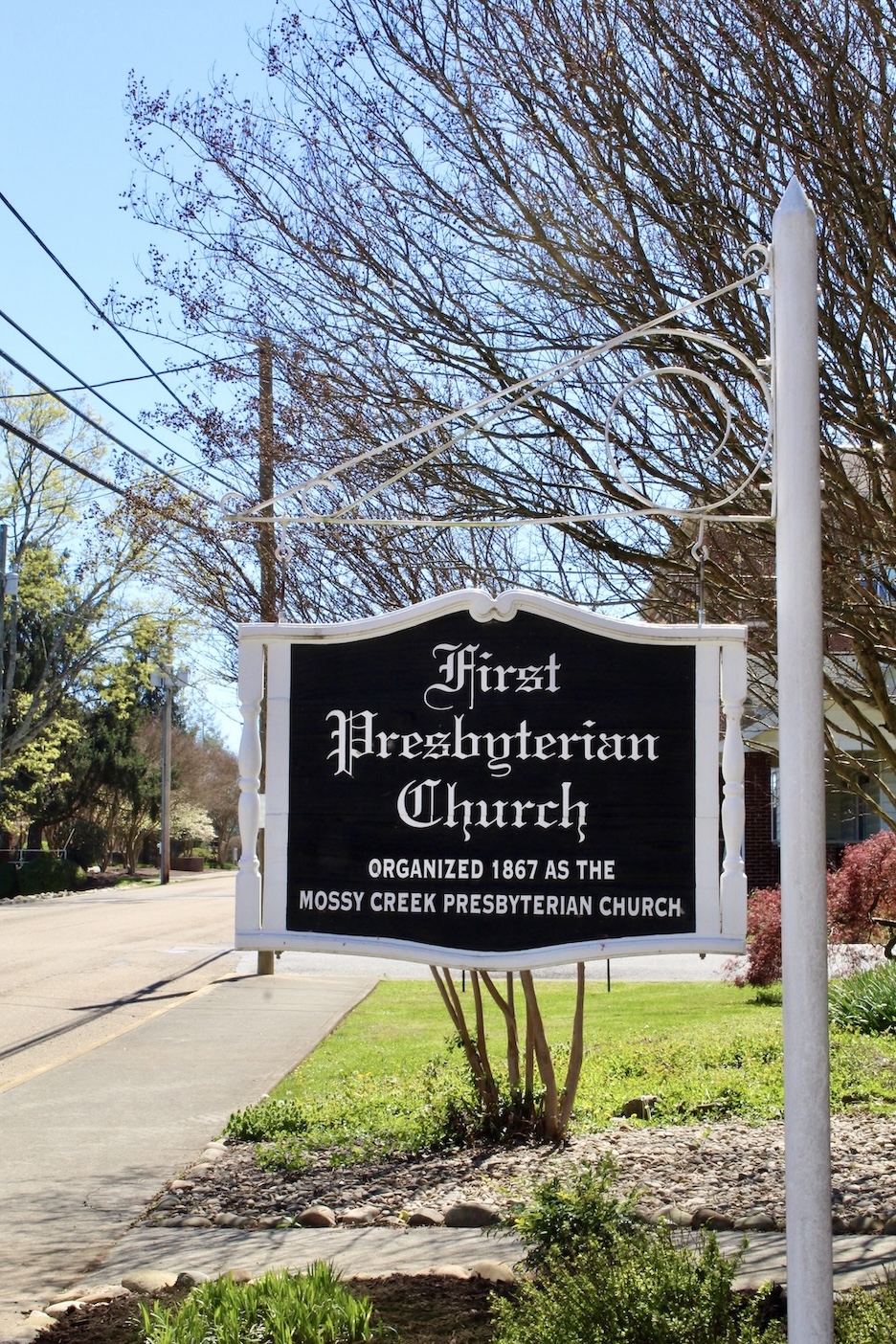
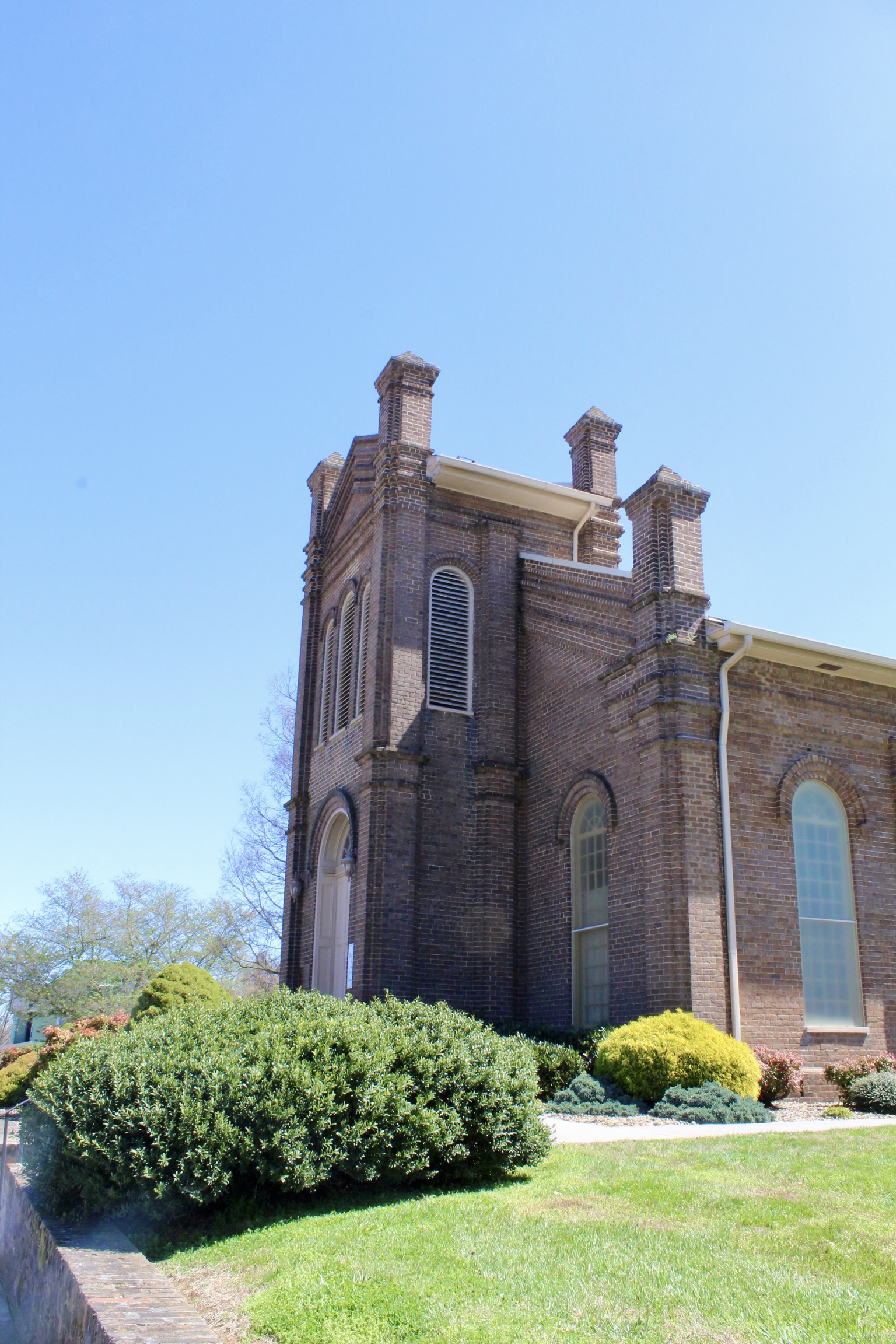
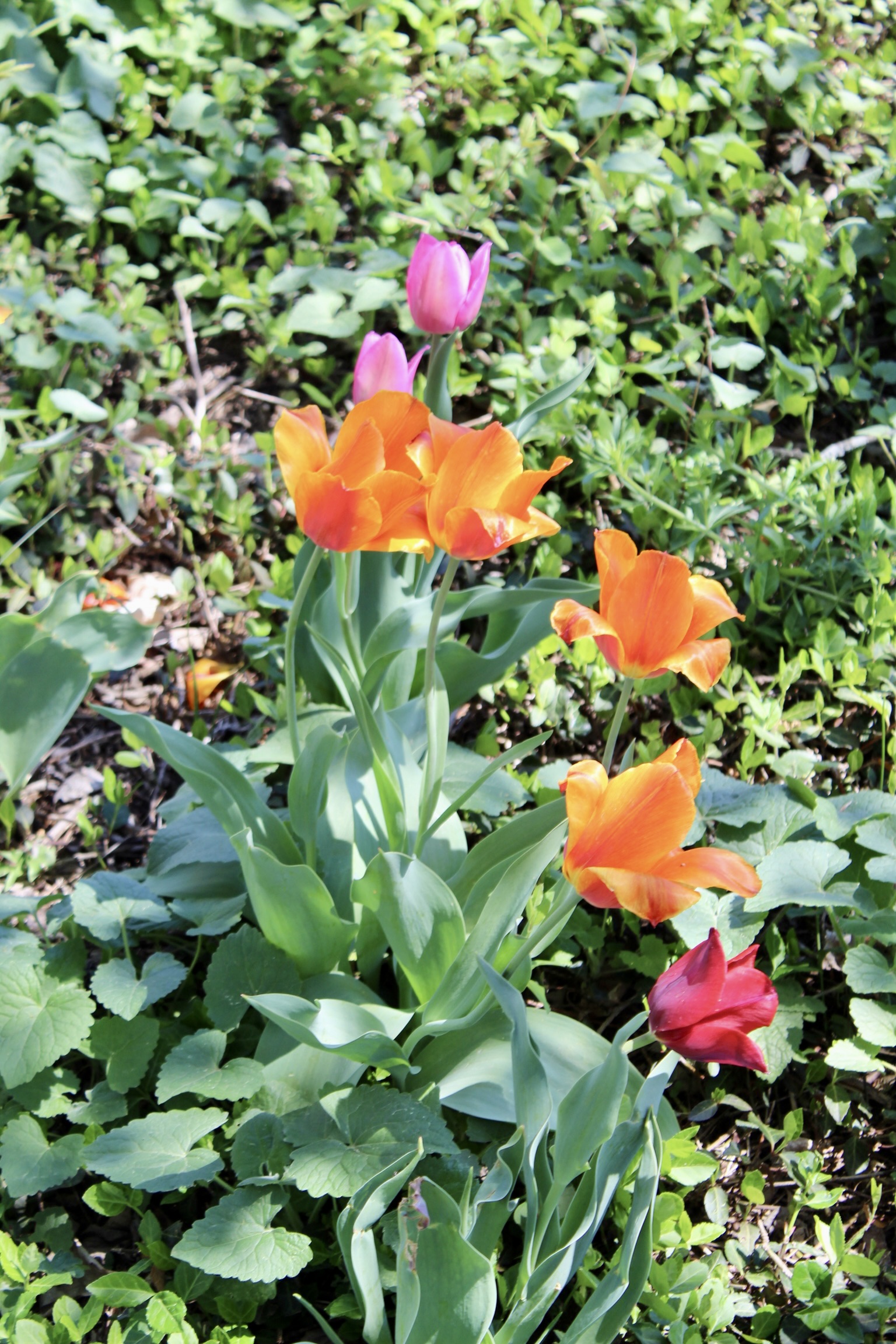
First Presbyterian Church of Jefferson City
721 Church St.
Jefferson City, TN 37760
Located near Carson-Newman University, First Presbyterian Church, originally Mossy Creek Presbyterian Church, is one of Jefferson City’s most prominent historic landmarks.
Organized in 1867, the congregation built its current Gothic Revival sanctuary in 1871. Over time, the campus expanded with the addition of an education wing in 1949 and a memorial garden in 2003.
With deep roots in the Scots-Irish Presbyterian tradition, the church remains active today, continuing its legacy of worship, service, and community outreach.
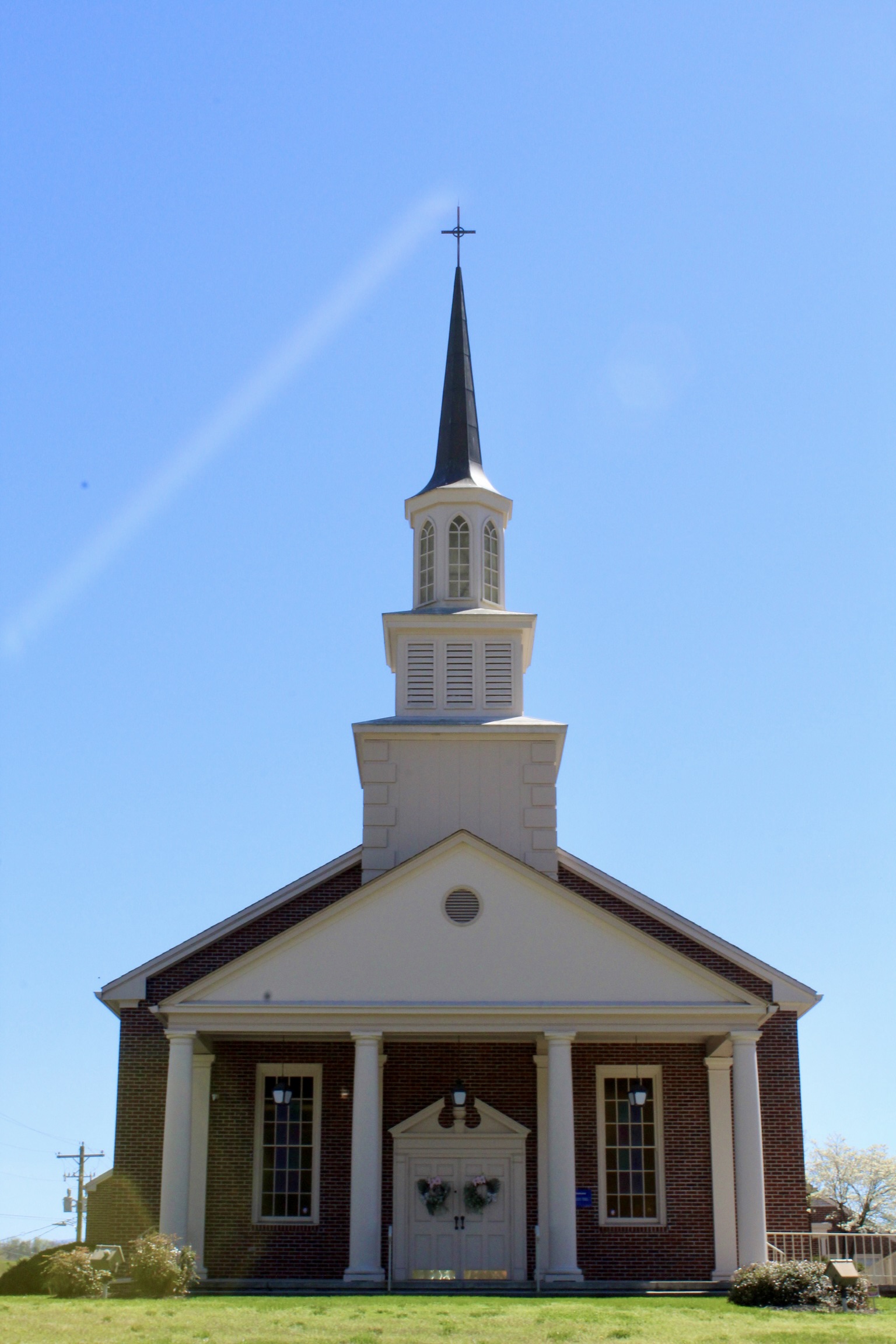
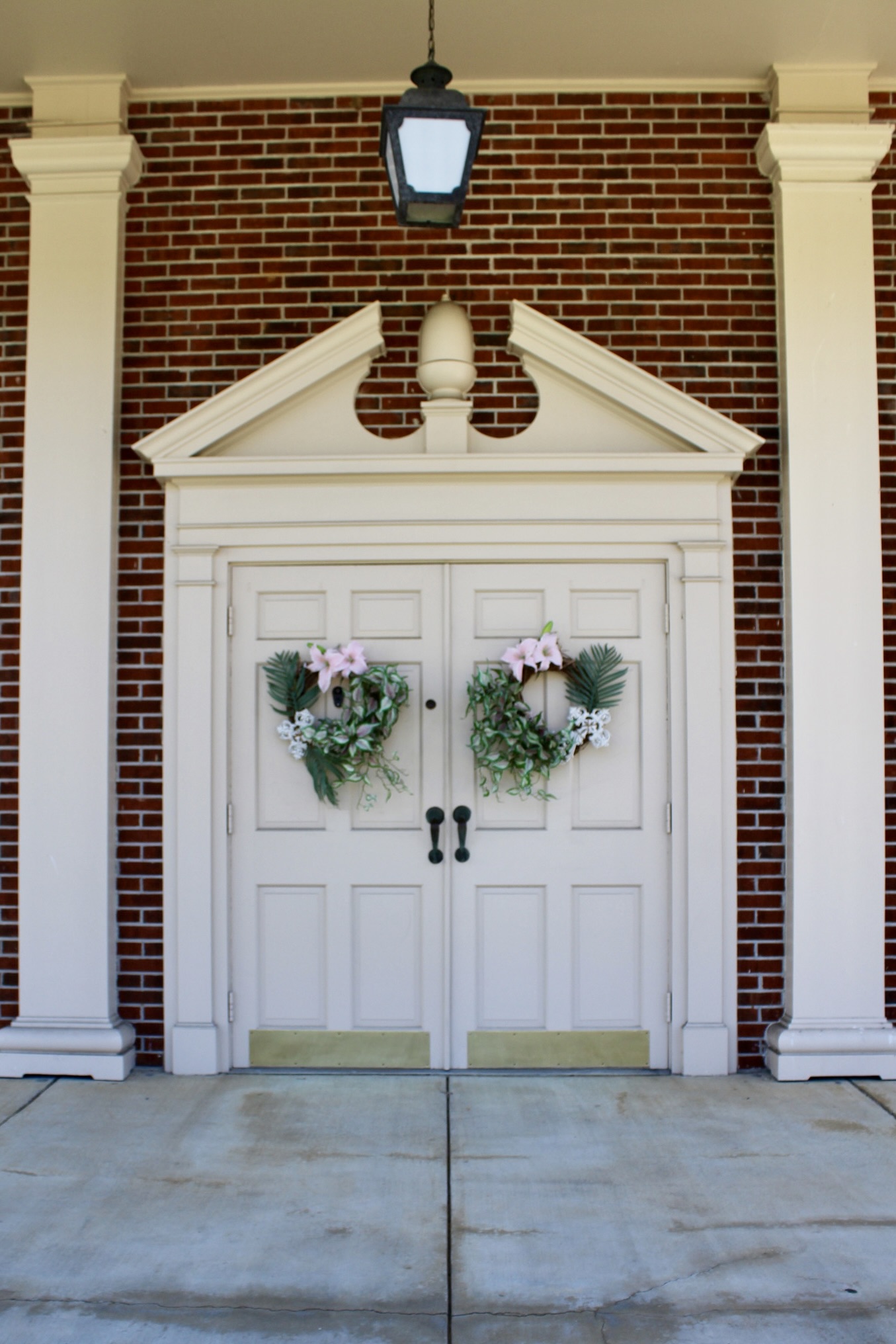
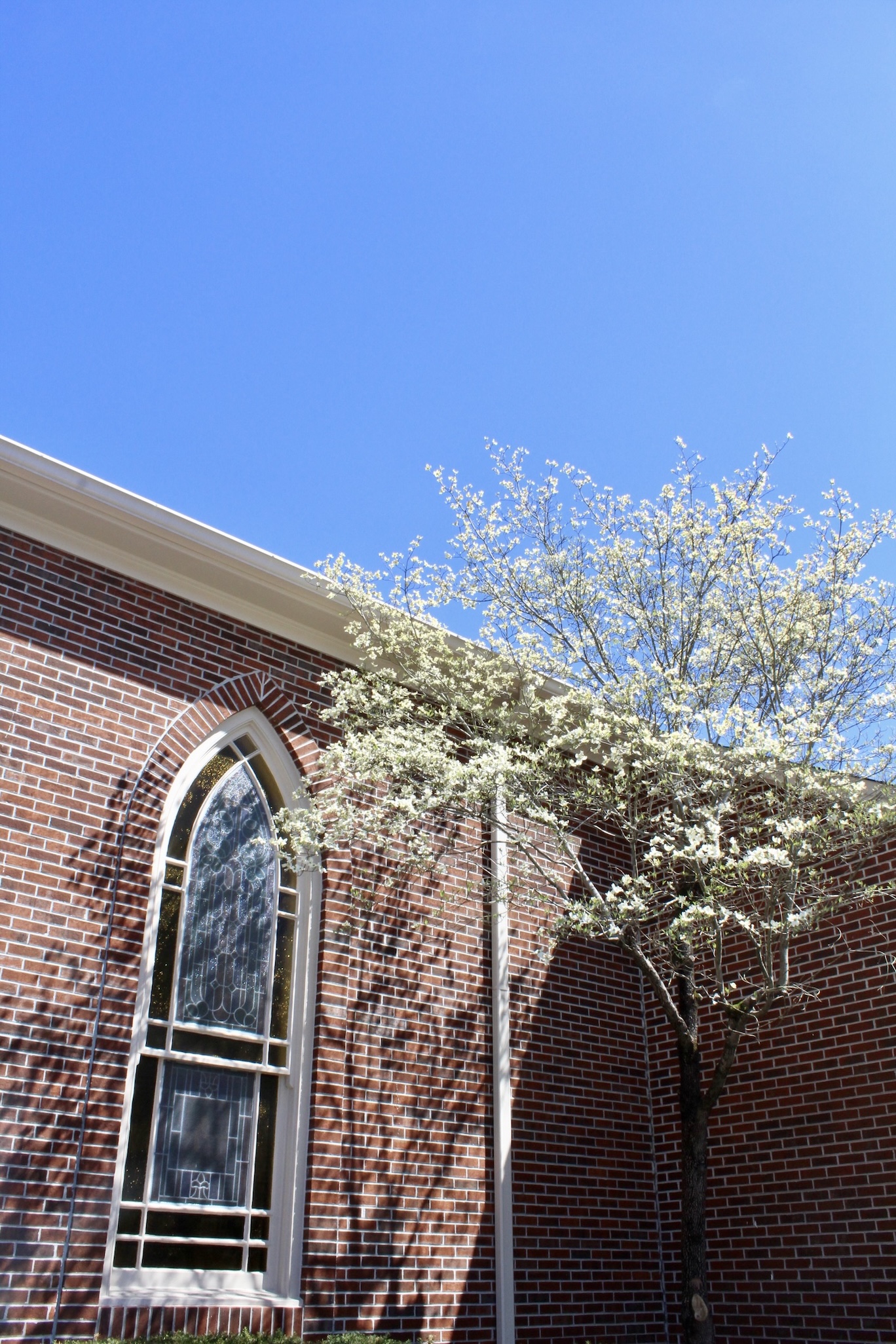
Dandridge United Methodist Church
121 E. Meeting Street
Dandridge, TN 37725
Located in Tennessee’s second-oldest town, First United Methodist Church of Dandridge has served the community for more than two centuries.
Church records trace its origins to the early 1800s, with a permanent structure built on the current site by 1828. Like many congregations, it experienced division during the Civil War.
In the 1940s, the creation of Douglas Lake brought change and eventual unification among Methodist congregations, leading to the renovation of the current sanctuary in 1950. Today, the church remains a central part of the Dandridge community.
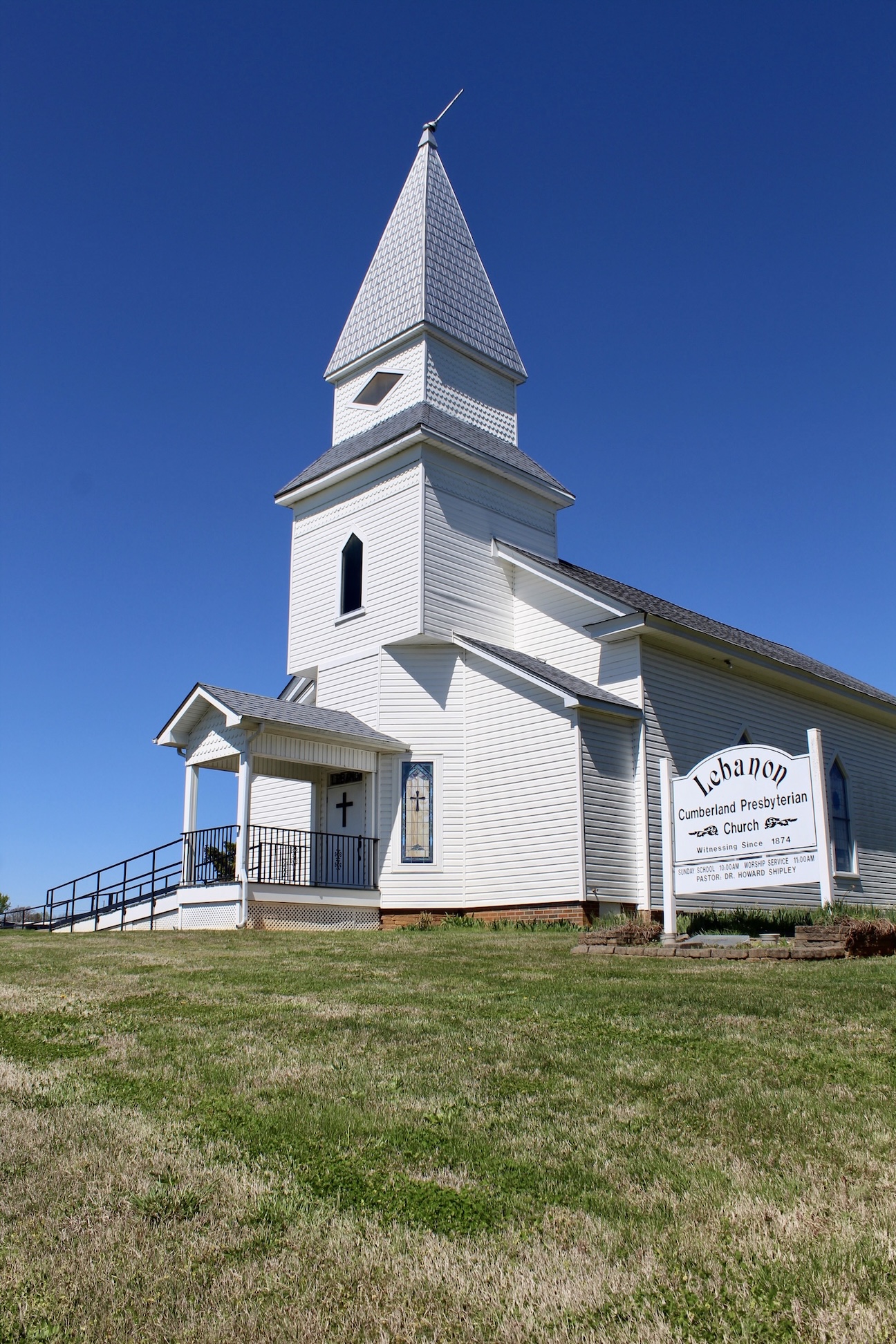
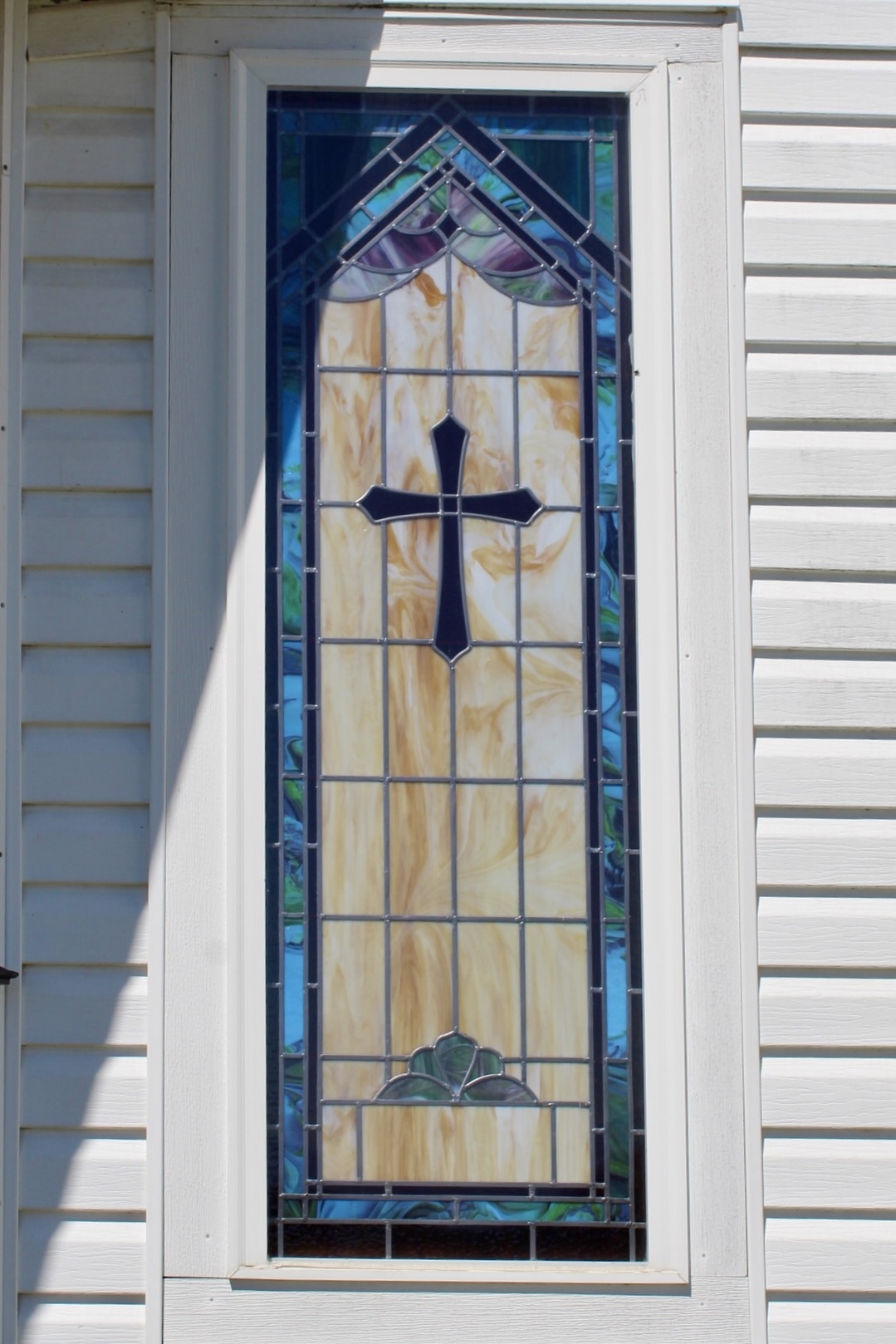
Lebanon Cumberland Presbyterian Church
714 Lebanon Road
Jefferson City, TN 37760
Just outside Jefferson City, Lebanon Cumberland Presbyterian Church reflects the deep Presbyterian roots of the region.
Organized in 1874 as Mt. Horeb Cumberland Presbyterian Church, it formed when members separated from Hebron Church following post-Civil War denominational changes. The congregation soon adopted the name Lebanon.
Rooted in Scots-Irish heritage, the church remains active today, continuing a long tradition of faith and community connection.
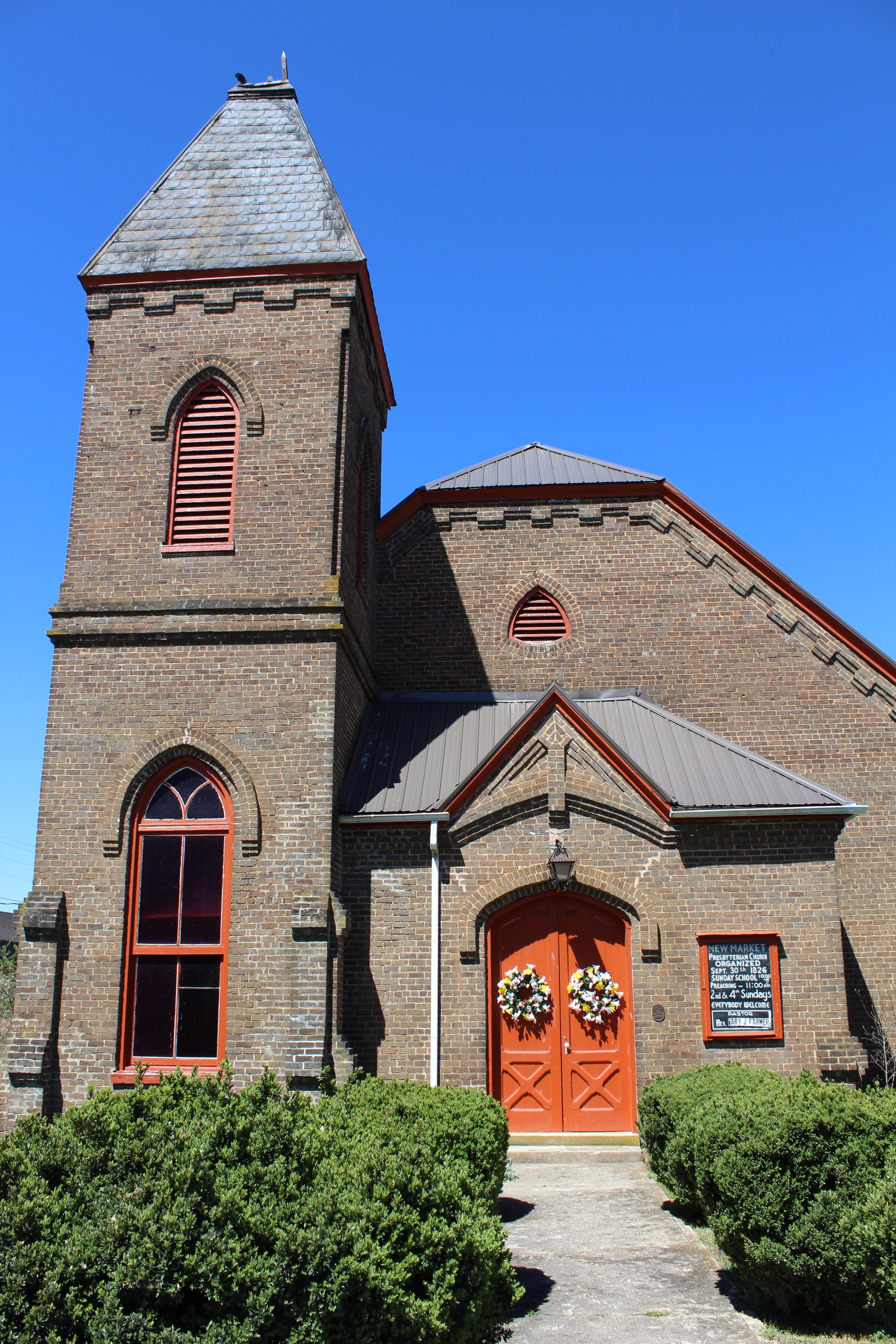
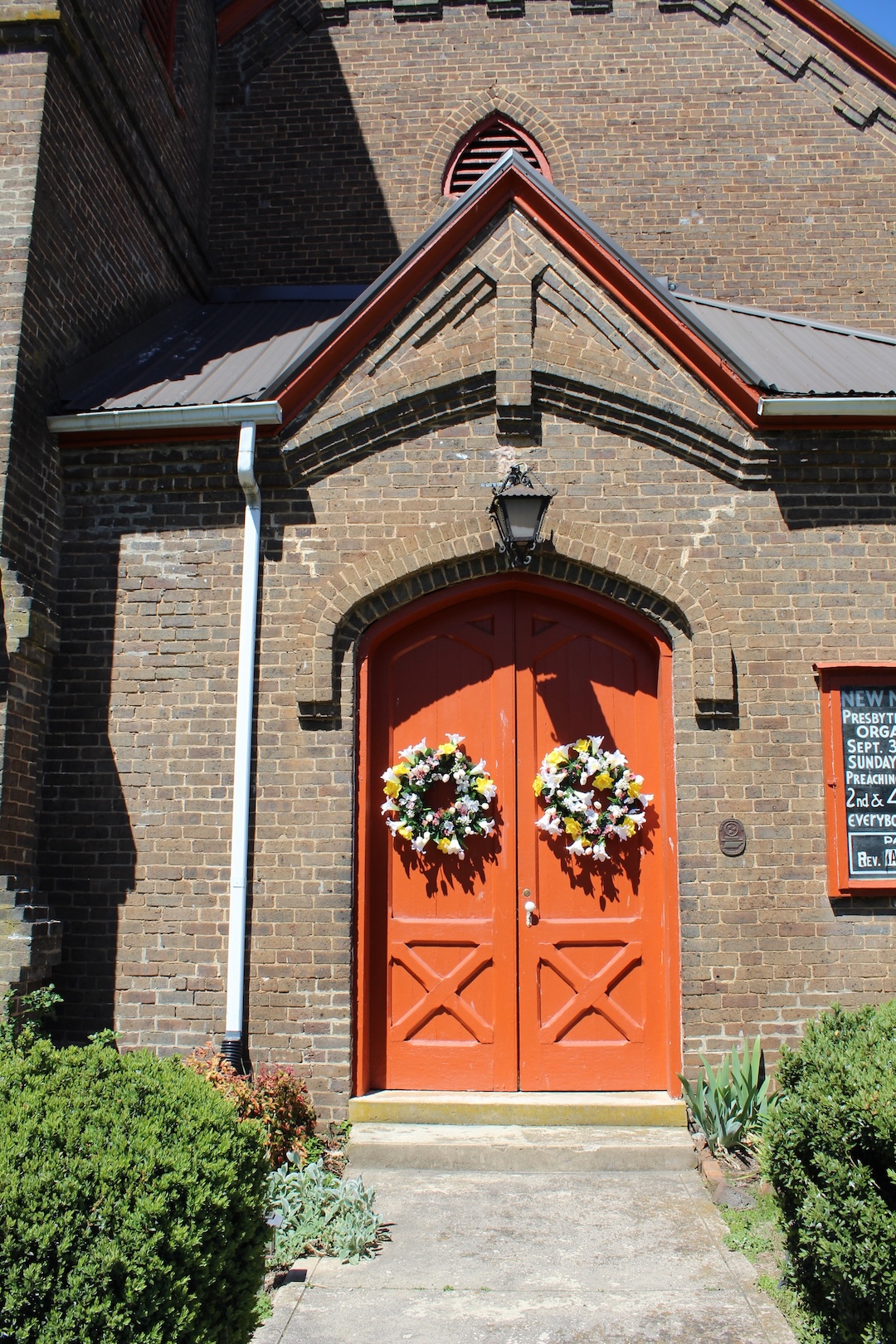
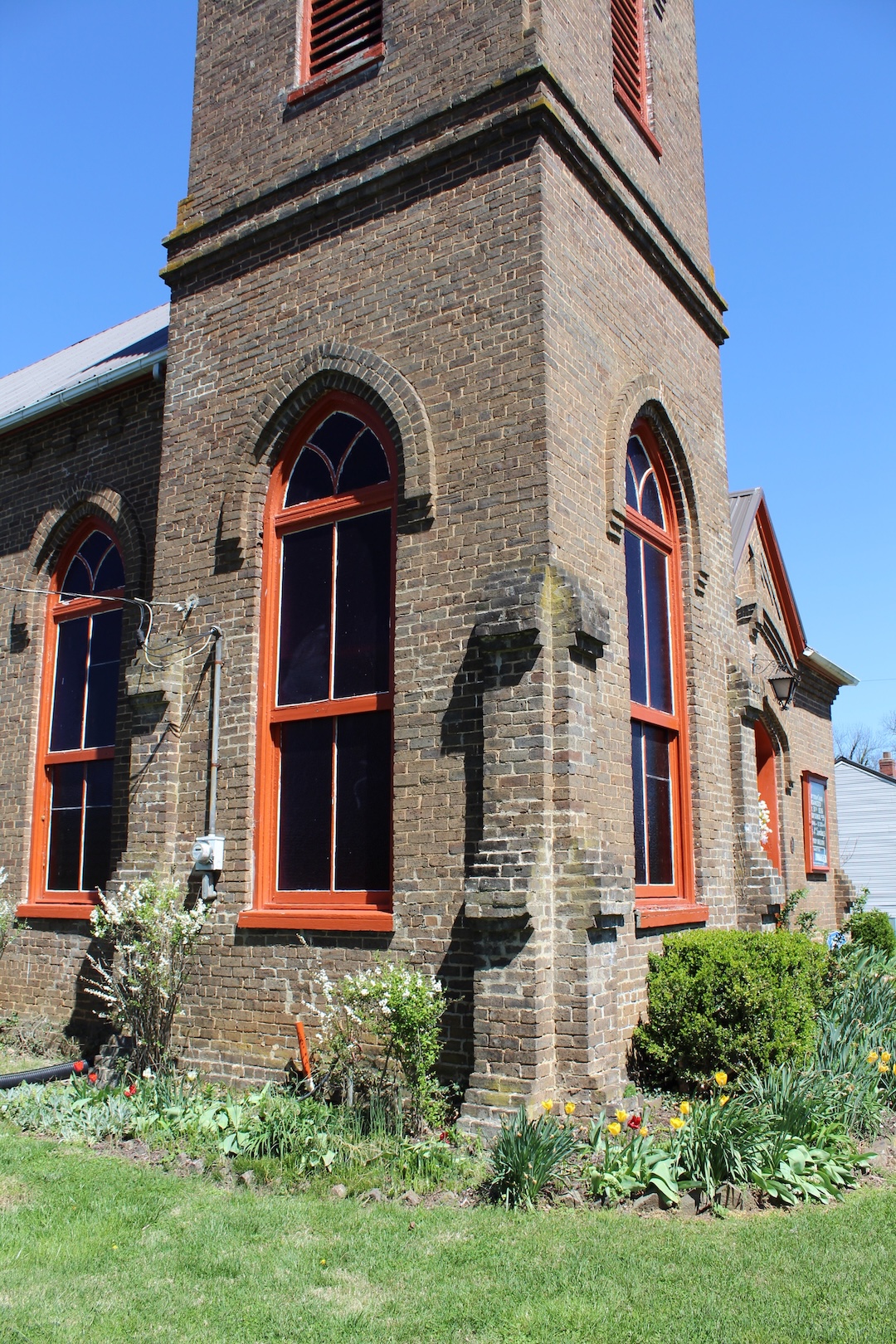
New Market Presbyterian Church
1000 W. Old AJ HWY.
New Market, TN 37820
New Market Presbyterian Church has shaped both the spiritual and educational life of its community for generations.
Local accounts trace its beginnings to 1819, when services were first held in homes, with formal organization following in 1826. The church later expanded, building a larger sanctuary in 1847 and establishing a strong connection to education through early school efforts.
Tradition holds that its historic bell, cast in Philadelphia, could be heard for miles. Despite Civil War tensions, the congregation remained united. Today, the church continues to stand in downtown New Market, carrying forward a legacy spanning more than 200 years.
Celebrating History and Faith
From New Market to Dandridge, Jefferson City to White Pine, these historic churches tell the story of faith, perseverance, and community in Jefferson County. Visiting these landmarks offers not only a glimpse into architectural and religious history but also an opportunity to reflect on the role of faith in shaping the county’s identity, especially as we celebrate Easter, a season of renewal and hope.
Whether you’re a local looking to reconnect with your community or a visitor seeking the rich history of East Tennessee, these churches stand as enduring symbols of the county’s heritage and spirit.
Sources
- First Presbyterian Church of Jefferson City – Church History
- Black in Appalachia: Community History Digital Archive
- Tennessee local church records and regional histories
- Mossy Creek / Jefferson City historical references
- Community archives and historical accounts from Jefferson County churches
Disclaimer
Historical information in this article is compiled from church records, local archives, and community histories. Some details reflect longstanding oral traditions and may not be fully documented in published sources.